
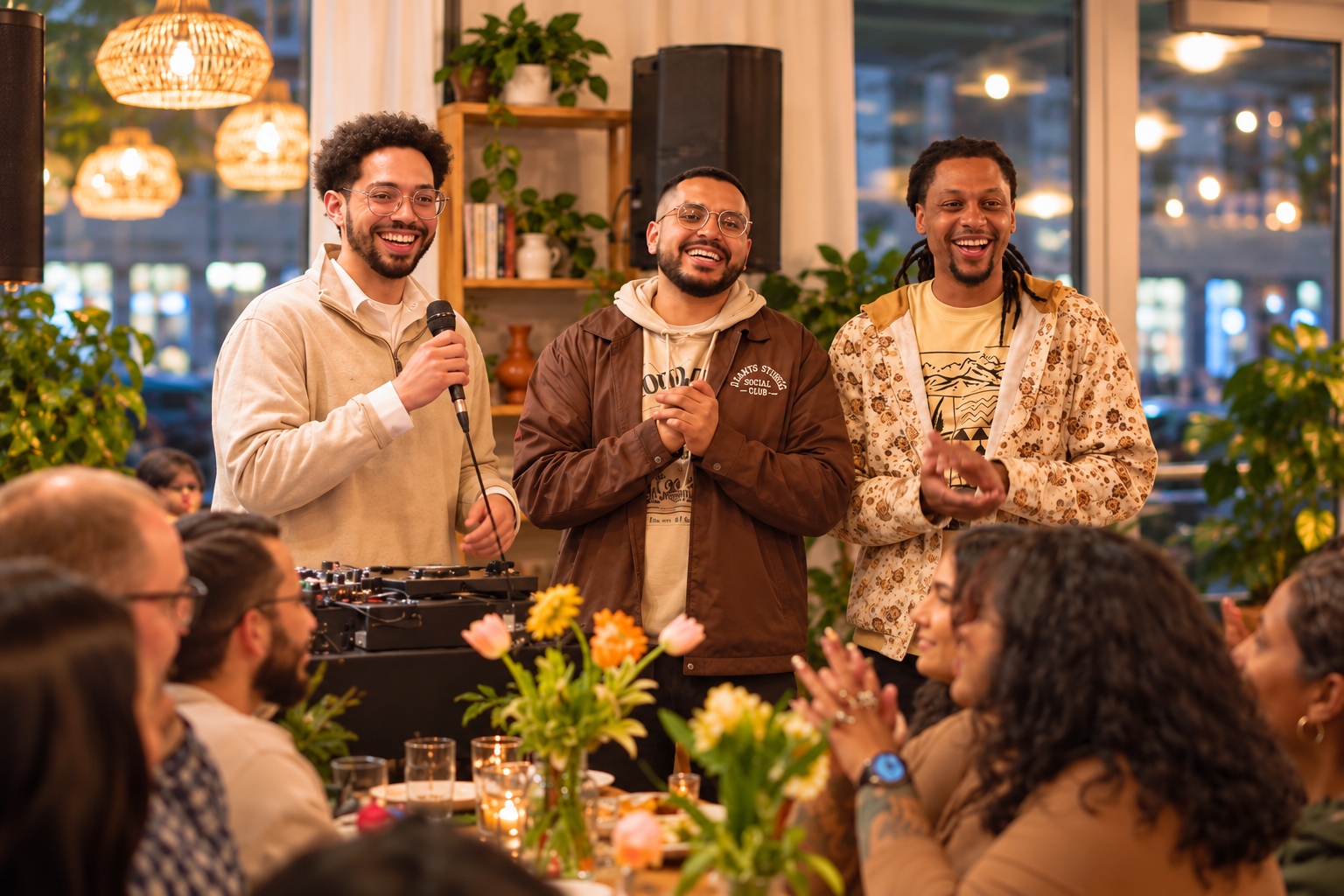
In 2019, Avole Coffee received funding through the Food Access RFP, supported by revenue from Seattle’s Sugar Tax. At the time, the original Café Avole had already become more than a coffee shop. It was a gathering place, a refuge, and a space where people came to exchange ideas, build relationships, and imagine new economic opportunities.
From the beginning, the work was about more than food access. We were interested in how food could become a vehicle for community wealth building, small-business incubation, neighborhood development, and a more equitable local economy. We began developing programs and curriculum that supported entrepreneurs, created opportunities for collaboration, and responded to the food-system challenges facing communities across South Seattle.
It all started from sugar.
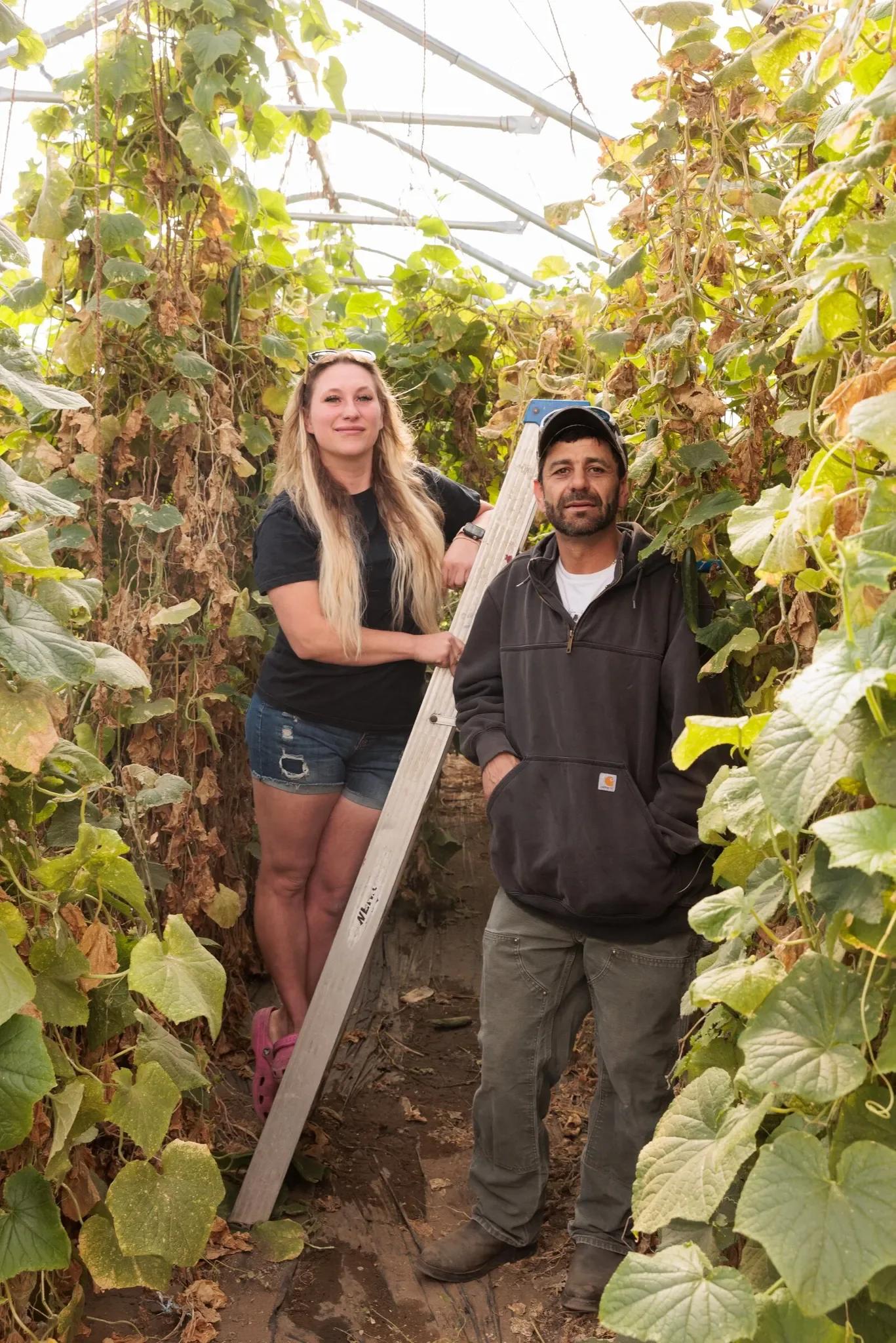
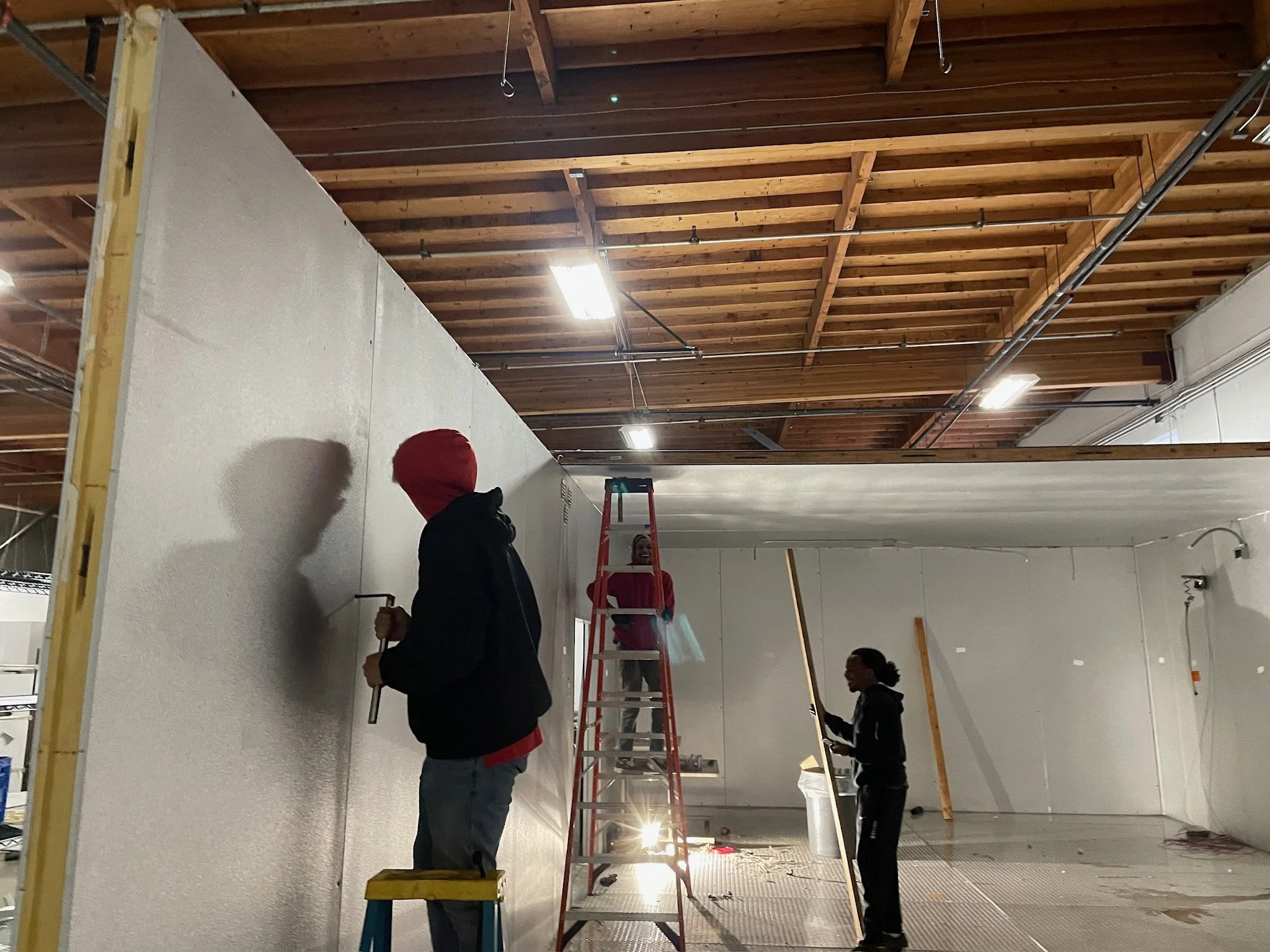
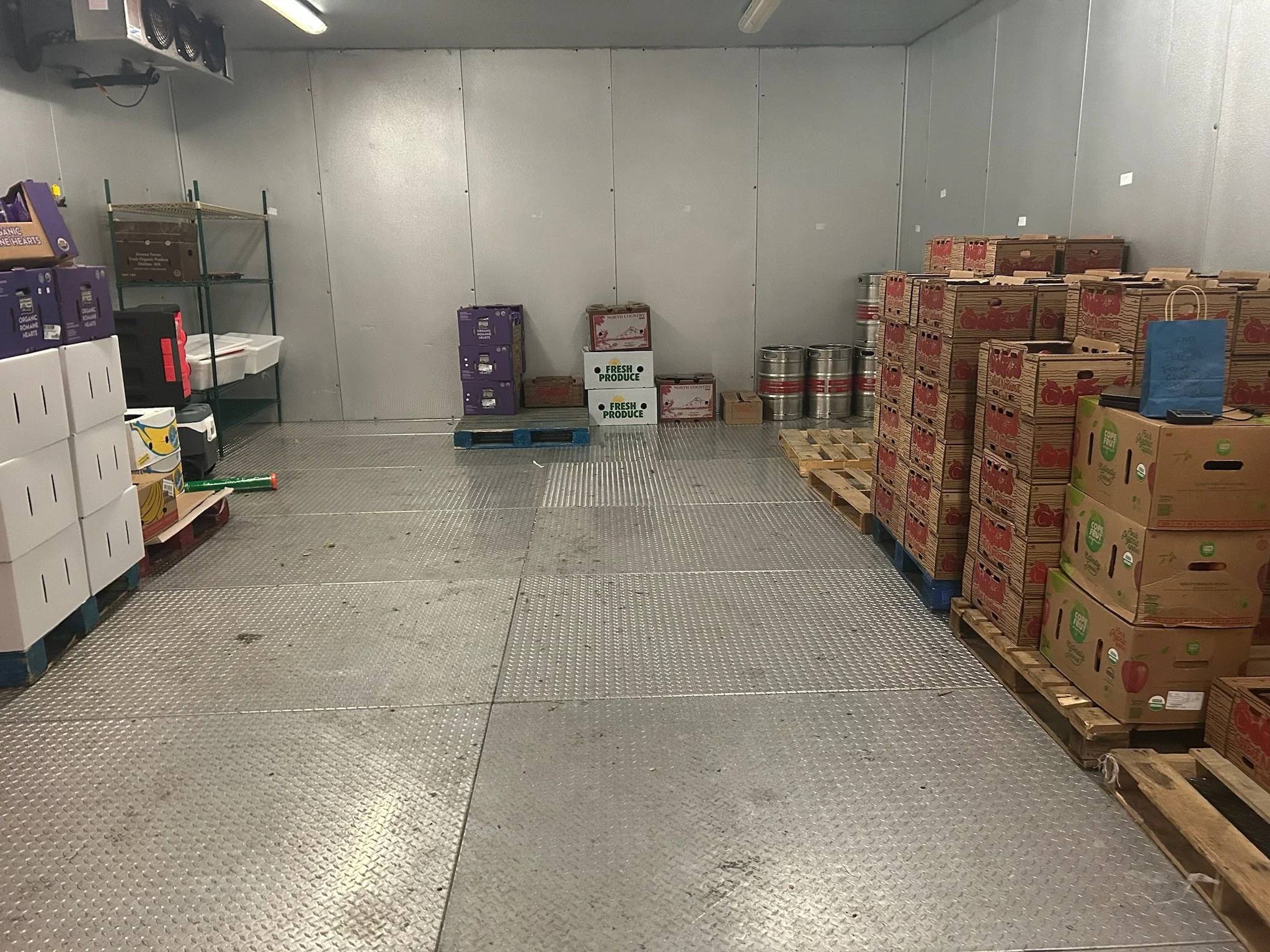
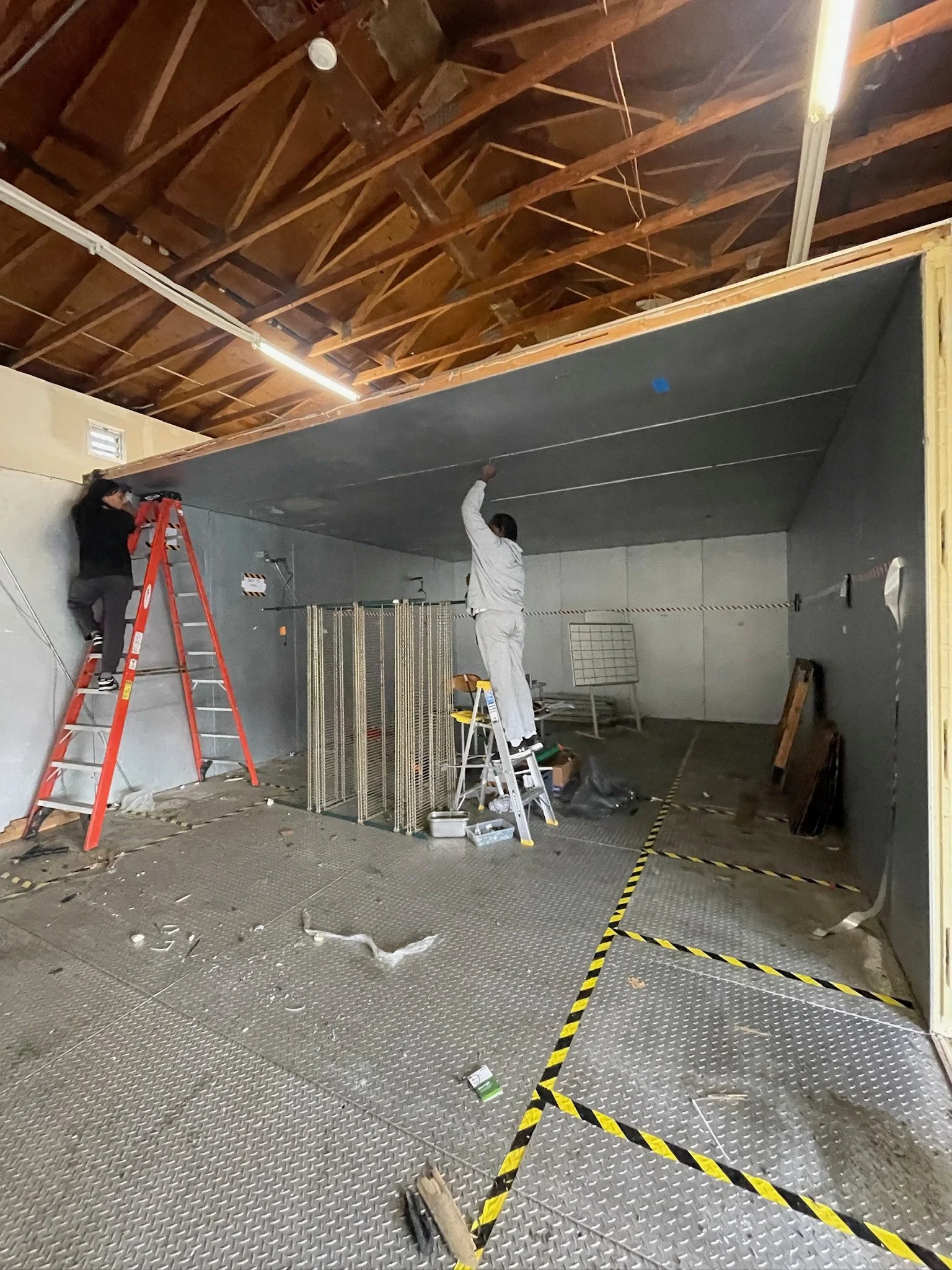
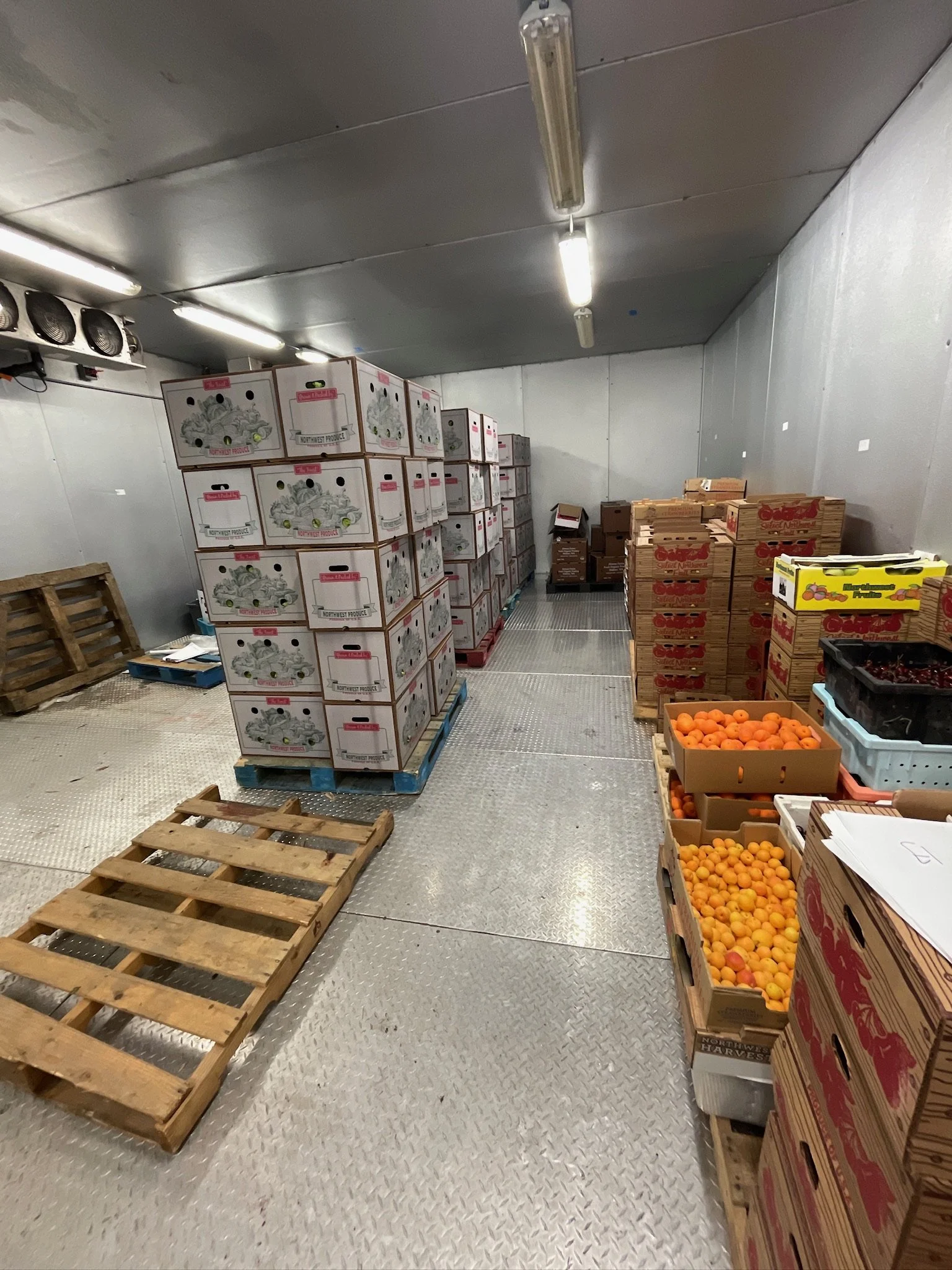
We were especially inspired by the collaboration already happening within our culturally diverse neighborhoods. Farmers, food businesses, entrepreneurs, community organizations, and residents all had pieces of the solution. Our question became: what would happen if we created the infrastructure for those pieces to work together?
We originally called the program Avole Community Kitchen, with a focus on food access, entrepreneurship, and supporting emerging food businesses. But as the work grew, we realized we were addressing something larger: communities often had incredible talent, food, culture, and entrepreneurial energy, but lacked the infrastructure, capital, storage, distribution, and market access needed to turn those assets into lasting economic opportunity.
That realization became Food Oasis.
The idea was simple: instead of only responding to a food desert by bringing more food into a neighborhood, we wanted to help build the systems that allow communities to produce, distribute, sell, and benefit economically from food themselves.
Today, Food Oasis continues that work by connecting local growers, food businesses, institutions, and communities through storage, distribution, market access, technical assistance, and shared infrastructure. Our goal is not only to move food. It is to help create a regional food system where more people have the opportunity to participate, build businesses, and share in the value that food creates.
We started by asking how food could create opportunity. Food Oasis is our answer: build the relationships, infrastructure, and market access that allow communities to grow together.